
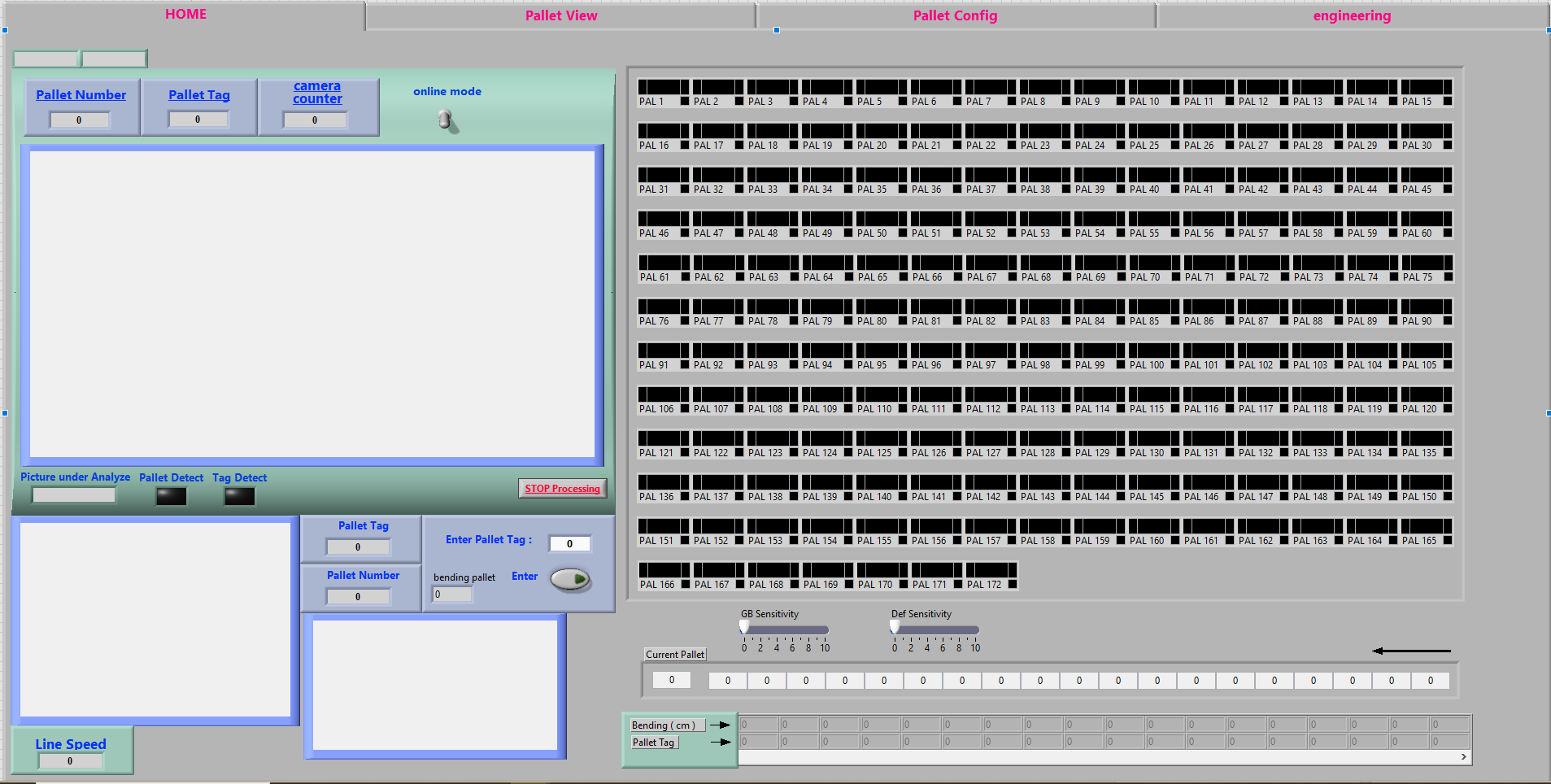
From image to decision
- Capture image
- Analyze and measure
- Record history
- Review and act
Recording results with a pallet identifier
An image analysis result is traceable when it is linked to the correct pallet. The pallet identifier, image and assessment result form the basis of an inspection record.
Image capture
The relevant area must be clear in the image. Lighting, viewing angle, movement and surface contamination affect image quality. Unsuitable images should be flagged for review.
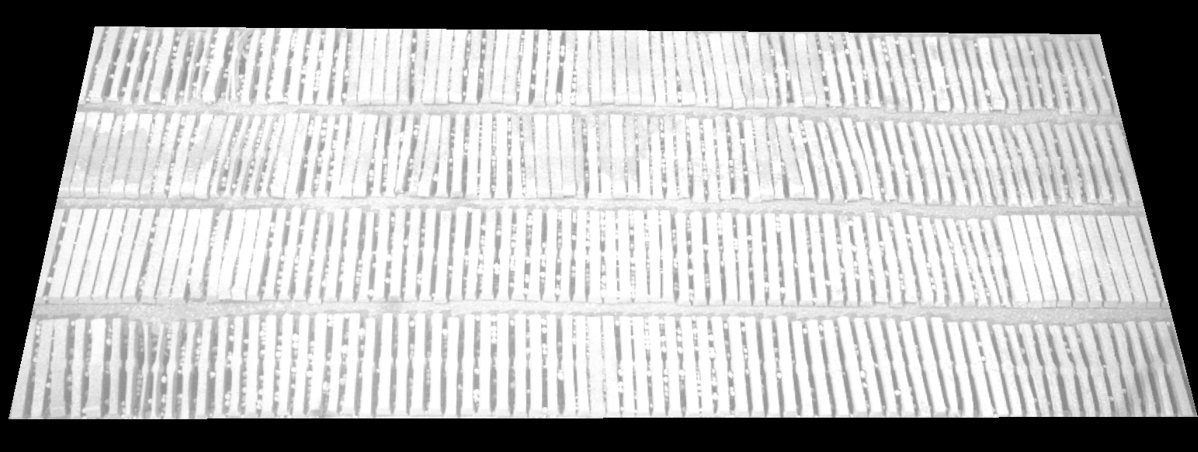
Inspecting grate-bar gaps
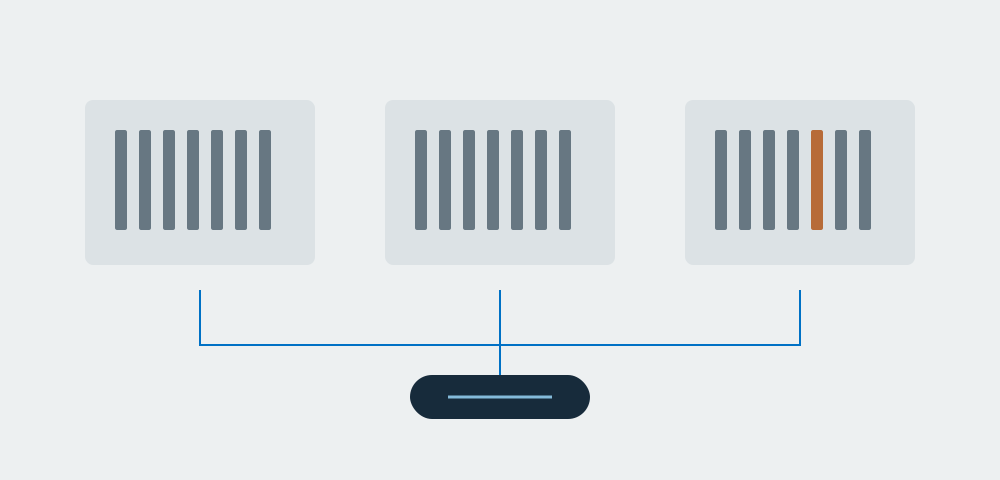
The software assesses grate-bar gaps and marks unusual regions on the image. These markers identify where to inspect; determining the cause and deciding on a repair require technical assessment.
Bending assessment
Pallet bending is assessed using measurement data and software calculations. Results are displayed as satisfactory, intermediate or unsatisfactory. Criteria for each condition must be defined according to the equipment specifications and measurement method.
Keeping records
Images and results for each pallet are kept in that equipment’s history. Recording inspection times and repair outcomes alongside this information makes it easier to compare inspections and track actions.
Review and action
The operator checks the analysis result against the image. The maintenance team determines the appropriate action based on the history, equipment condition and operating schedule. After repair, a new inspection result can be compared with earlier records.
Periodic system checks
Image quality and a sample of results should be checked periodically. Changes to imaging conditions or equipment require reassessment. Review responsibility and the method for recording actions should also be defined.
Assessment scope
Assessment is limited to visible signs and measurable indicators. An unsatisfactory result alone is not an instruction to stop the line; operational action follows operating criteria and the responsible technical person’s assessment. Failure prediction requires separate data and validation.